ASOLeap
1 Login

Basic

-25 %
$ 300 $ 400
Keywords Research & Optimization 100 App’s Top Keyword Installs App Title & Description Optimization Promo Video 10 Android App Reviews HQ Press Release + Distribution Delivery: 4-6 days Boost Your App Now

Pro

-10 %
$ 450 $ 500
Keywords Research & Optimization 500 App’s Top Keyword Installs App Title & Description Optimization Promo Video 50 Android App Reviews HQ Press Release + Distribution Delivery: 4-6 days Boost Your App Now

Advance

-17 %
$ 500 $ 600
Keywords Research & Optimization 1000 App’s Top Keyword Installs App Title & Description Optimization Promo Video 100 Android App Reviews HQ Press Release + Distribution Icon Redesign Delivery: 4-6 days Boost Your App Now

Master

-15 %
$ 550 $ 650
Keywords Research & Optimization 1000 App’s Top Keyword Installs App Title & Description Optimization Promo Video 100 Android App Reviews HQ Press Release + Distribution Icon Redesign Delivery: 4-6 days Boost Your App Now

The 5 Steps to Optimize Android App Effectively and the Best Tools to Use

The 5 steps to optimize Android app following ASO standards include: researching and selecting target keywords; optimizing title, description, and long description; designing assets; managing reviews and ratings; and tracking and updating data. Each step in this process plays a key role in helping apps achieve natural and sustainable growth on the Google Play Store.

To optimize Android app effectively, you need to clearly understand and properly execute the optimization process, comply with Google Play algorithm standards, and continuously monitor and adjust based on real data.

In addition, using tools like ASOLeap to optimize Android app effectively can significantly reduce implementation time. This helps developers make decisions based on real data instead of subjective assumptions.

1. What Are the 5 Steps to Optimize Android App?

The 5 steps to optimize Android app are: researching and selecting target keywords; optimizing title and description; designing assets; managing reviews and ratings; and tracking and updating data. This is a continuous process that requires measurement, testing, and optimization in cycles to maintain and improve app rankings against competitors in the same category.

Below is a detailed guide to the 5-step process to optimize Android app for fast and sustainable growth on the Google Play Store:

1.1. Step 1: Research and select target keywords

Researching and selecting the right keywords is a fundamental step before implementing ASO. Choosing the wrong target keywords from the beginning will make all optimization efforts in later steps ineffective, wasting both time and budget.

Specifically, the main goal is to find target keywords that meet all three factors: sufficient search volume to generate valuable organic installs, a competition level that matches the current strength of the app, and high keyword relevance to the app’s core features.

To research keywords in a structured way and avoid mistakes, you should follow these steps:

  • Use specialized tools to analyze keyword volume and competition: Use Google Play Console to evaluate search volume trends, keyword difficulty scores, and identify opportunities for the app to reach Top rankings for target keywords.
  • Track keyword relevance score: Keyword relevance score measures how closely the app content matches the keyword. The higher the score, the more likely the Google Play algorithm will prioritize indexing and ranking the app higher in search results.
  • Analyze search volume trends: Google Play and Google Search trends are closely related. Therefore, you should monitor seasonal trends, events, and user behavior to identify potential keyword opportunities.
  • Prioritize long-tail keywords for new apps: Long-tail keywords often have higher conversion rates and lower competition. New apps should prioritize these keywords to increase the chance of achieving high rankings in a shorter time.
  • Analyze competitor keywords: Select 10 competitors currently ranking in the Top 10 for your target keywords, then analyze the keywords they use in their title and description to discover untapped keyword opportunities.
  • Update keyword list regularly: Every 4–6 weeks, review and update your keyword list to avoid missing trending keywords and to improve visibility in search results.

According to a study by Mobile Action (2023), apps that follow a proper keyword research process achieve 73% higher organic traffic growth compared to apps that select keywords randomly.

Researching and selecting target keywords is the foundational step that determines the effectiveness of the entire optimization strategy.

After selecting the target keyword list, to optimize Android app effectively, you need to apply scientific principles when optimizing title and description while complying with Google Play algorithm standards.

1.2. Step 2: Optimize Title, Short Description, and Long Description

Optimizing the title, short description, and long description has the greatest impact on the app’s search ranking during the ASO process. Google Play uses the highest weighting for these three fields to determine the relevance between the app and keywords.

Each character in the title, short description, and long description has its own strategic value. Therefore, when optimizing, you need to follow the specific principles below to fully leverage these high-weight fields:

  • Title optimization principles: Write the title under 30 characters, include the main keyword, prioritize placing the main keyword at the beginning of the title, and keep it natural.
  • Short description optimization principles: Optimize within 80 characters, include the most important secondary keyword, clearly communicate the biggest benefit, and highlight a distinct value proposition.
  • Long description optimization principles: Keep the length within 4,000 characters, write in a conversion-focused structure starting with the biggest benefit → list key features using concise bullet points → include social proof → end with a clear CTA such as “Download free today.”
    Note: The main keyword must appear within the first 167 characters. Each paragraph should not exceed 3–4 lines, and you should prioritize using bullet points and emojis to help users scan quickly.

In addition to optimizing the store listing, to improve conversion rate when you optimize Android app, you should design visual assets including icon, screenshot, and video preview in an engaging way.

1.3. Step 3: Design Engaging Visual Assets

Designing engaging visual assets including icon, screenshot, and video preview directly determines the app page conversion rate. In addition, this step indirectly affects app ranking on Google Play, as the algorithm considers higher conversion rates as a signal that the app meets user needs effectively.

Moreover, visual assets also determine the effectiveness of all marketing campaigns outside Google Play, such as Google UAC ads, app link sharing on social media, and review content.

To achieve high effectiveness when you optimize Android app, you need to design visual assets based on the following standards:
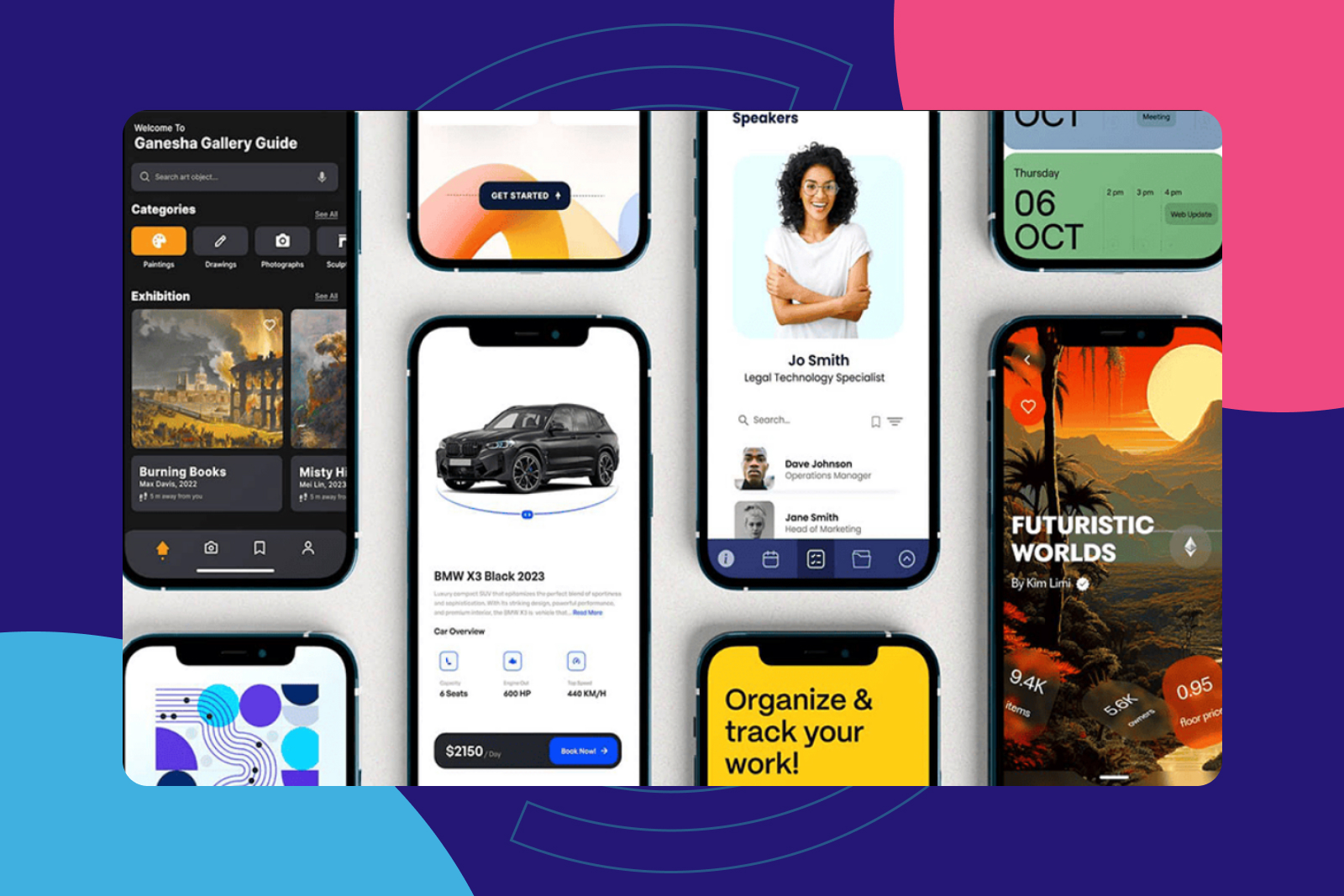
  • Icon design standards: Standard size 512x512px, PNG 32-bit format, simple and recognizable at small sizes, high contrast colors, stand out in the category, and apply A/B testing to optimize CVR. In addition to the icon, screenshot design standards must also be strictly followed to improve conversion rate.
  • Screenshot design standards: Screenshot 1 should highlight the biggest or most impressive benefit of the app. Screenshots 2–4 introduce key features in real usage contexts with short captions (5–7 words) emphasizing specific benefits. The final screenshot should include number of users, awards, ratings, or testimonials to build trust. Note: Screenshots should match the language and context of the target market.
  • Video preview standards: Video length should be under 30 seconds. The first 3 seconds must capture attention immediately. Each scene should communicate core features through benefits, and the video should clearly convey the message through visuals and subtitles, even without sound.

Visual assets need to be designed attractively to improve conversion rate

If engaging visual assets help maximize conversion rate, then managing reviews and ratings plays an important role in retaining users and building a sustainable reputation on Google Play.

1.4. Step 4: Manage Reviews and Ratings

Similar to designing visual assets, managing reviews and ratings also creates a dual impact: it directly improves the app page conversion rate and helps improve overall rankings in both search results and category rankings.

Developers should proactively build a strategy to manage reviews and ratings, as this is a major opportunity when you optimize Android app. Many studies show that dissatisfied users are 3–5 times more likely to leave a review than satisfied users if they are not prompted. This means apps may have lower ratings than their actual quality, negatively affecting CVR and rankings.

To effectively develop the review and rating section when you optimize Android app, you should proactively build a strategy as follows:

  • Encourage in-app reviews at the right “golden moments”: Ideal moments to show review prompts include after the third use of a favorite feature, after reaching a milestone, completing an in-app purchase, or after a long session. It is best to use the Google Play In-App Review API to display the review dialog directly inside the app without redirecting users to Google Play.
  • Target 4.5+ stars with a sentiment filtering strategy: Use a mini survey in-app to ask whether users are satisfied. Satisfied users are redirected to Google Play to leave a review. Unsatisfied users are directed to an internal feedback form to resolve issues before they leave a low rating publicly.
  • Handle negative reviews professionally: Never argue publicly with negative reviews. Responses should follow this structure: acknowledge the issue → explain → provide a direct support channel → thank the user for feedback. This approach shows responsibility and professionalism in handling user experience.
  • Respond quickly within 24–48 hours: Fast response time shows professionalism and care for users, while also positively impacting CVR and the overall app reputation.

According to a study by App Radar (2023), apps that apply proactive review management strategies have an average rating 0.8 points higher than those that do not intervene.

After ensuring positive reviews and high ratings, the final step in the optimize Android app process is to track and update data regularly to maintain results and detect changes early.

1.5. Step 5: Track and Update Data

Tracking and updating data is the final step of the optimize Android app process and must be performed regularly in cycles. Developers need to continuously monitor data, test, measure results, and adjust strategies to maintain rankings over time and respond quickly to changes in the Google Play algorithm.

The tracking and updating process includes:

  • Use Google Play Console to monitor key metrics: impressions, store listing visitors, install conversion rate, installs by traffic source, uninstalls, and retained installs. These metrics evaluate the effectiveness of the optimize Android app process.
  • Set clear KPIs and measure weekly: keyword rankings for the top 10–20 target keywords, organic install CVR, weekly and monthly organic installs, average rating and number of new reviews, crash rate, and Day 7 retention. These metrics should be monitored weekly to detect changes early.
  • Run Store Listing Experiments for structured A/B testing: Use the Store Listing Experiments feature in Google Play Console to test icons, screenshots, short descriptions, and long descriptions. Change only one element per test and run at least twice. If a test shows positive results, update to the winning version.
  • Monitor Google Play algorithm changes regularly: Google’s ranking algorithm changes frequently. Developers should follow reliable ASO blogs and communities to detect updates early and adjust strategies before rankings drop.
  • Schedule a full ASO review every 4–6 weeks: Review the entire store listing every 4–6 weeks instead of waiting until rankings drop.

Regular tracking and data updates help developers quickly adjust strategies when Google’s algorithm changes

Understanding and properly implementing the 5-step process to optimize Android apps is the foundation for sustainable app growth. However, to maximize effectiveness, developers should also leverage professional Android Services and follow strategic principles to execute these steps consistently and effectively. 

2. Which Tool Is Best to Optimize Android App?

ASOLeap is the best tool to optimize Android app currently. The tool stands out with comprehensive features such as keyword research, ranking tracking, competitor analysis, keyword installs services, and high-quality review management, helping developers effectively implement all 5 optimization steps on a single platform.

In particular, ASOLeap’s ASO experts also provide direct strategic consulting, helping developers build clear growth strategies and save time. No matter which stage your app is in, the tool offers suitable features and services to help developers move faster toward their goals.
ASO Leap is the best tool to optimize Android app

In summary, to optimize Android app effectively, you need to follow the 5-step process with consistent strategic principles. In addition, developers can use tools like ASOLeap to improve efficiency and significantly reduce implementation time until achieving organic growth on the Google Play Store.


Android Development View more

Android Marketing View more

Promote Your App Now and Unlock Growth Potential with ASOLeap

Whether you're a large company or a small startup, our expert ASO services help promote your app on Google Play and the App Store at competitive, affordable prices with ASOLeap. Boost your app’s rankings and visibility, and buy app downloads, installs, ratings, and reviews by up to 50% — all through ethical, AI-powered strategies.

Promote Now – Get Free Consultation with ASOLeap!
Promote Your App Now and Unlock Growth Potential with ASOLeap